

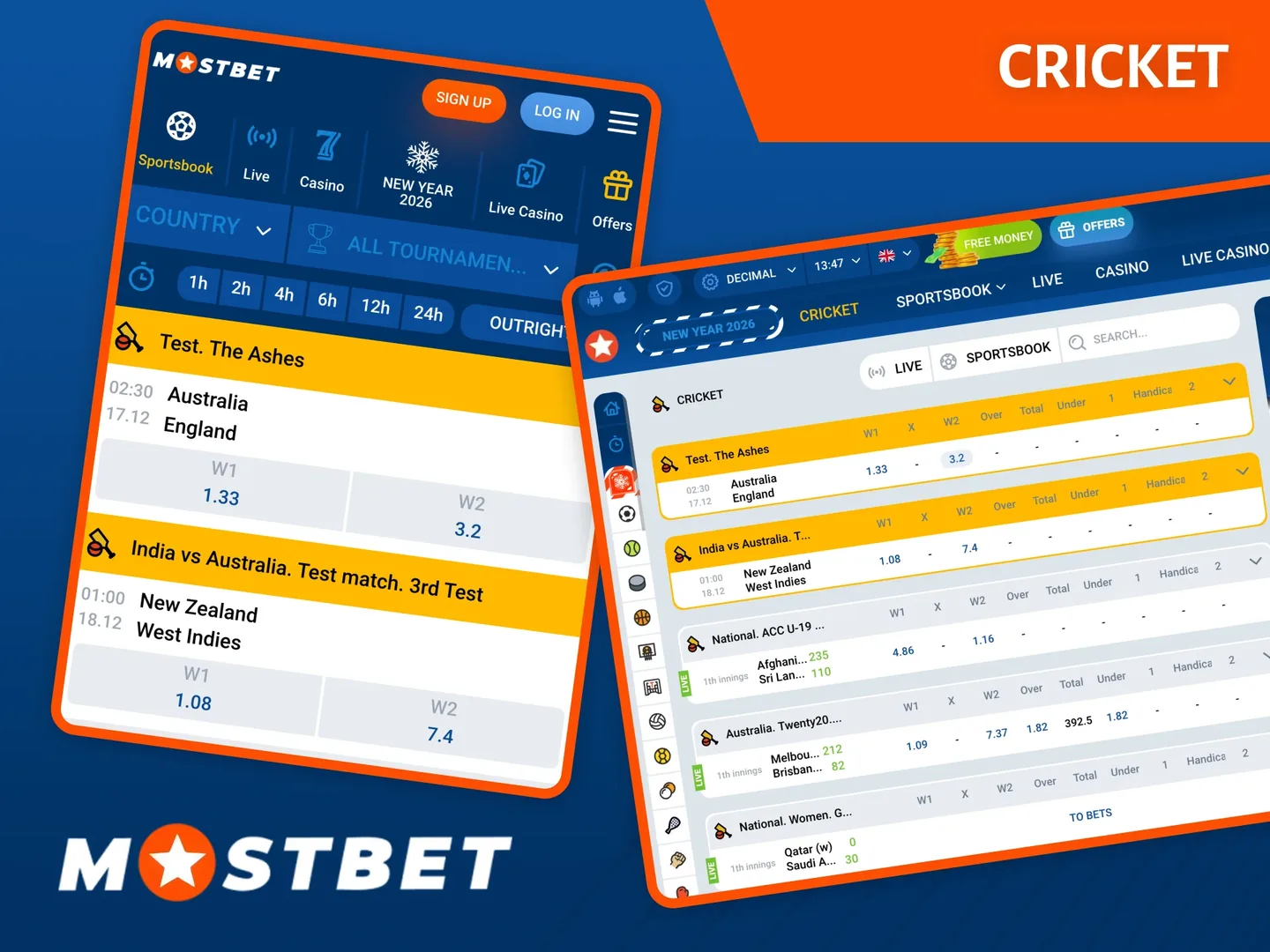
Start with the format and scheduled conditions
T20, one-day and multi-day cricket create different match structures. A scheduled twenty-over innings does not mean the match will always complete twenty overs, and a Test can end without either team winning. These distinctions affect the markets displayed and the terms that settle them.
| Format | Structure to identify | Settlement detail to read |
|---|---|---|
| T20 | Limited overs, usually 20 per innings | Reduced overs and tie-break rules |
| One-day | Limited overs, usually 50 per innings | Minimum play and revised targets |
| Test | Multi-day, potentially two innings per side | Draw, tie and match-result definitions |
| Special formats | Competition-specific structure | Exact event and market rules |
Check the event listing, teams, venue and start time. Domestic competitions, international fixtures and simulated events can sit close together in a menu. The competition name and market description should make clear what is actually being selected.

Match winner is not always the same market
Read whether a winner market includes a Super Over or another tie-break procedure. A tied score at the end of scheduled play may be settled differently from the eventual competition winner. A three-way result market can also differ from a two-way winner market.
Draw and tie are distinct
In multi-day cricket, a draw and a tie are not interchangeable outcomes. A market with a draw option should be read as a different proposition from one that excludes it. Do not infer the settlement solely from the final scoreboard headline.
The sportsbook guide explains decimal odds and accepted prices. As an arithmetic example, a 50-unit stake at 2.40 returns 120 units if the selection wins under the relevant rules, giving 70 units of profit. The price does not establish that the team has an objectively measured chance of winning.

Innings, over and player markets
An innings total concerns a specified innings, while a match total can have a broader scope. A boundary market may count fours, sixes or both. A player-run market can depend on whether the player bats and on the rule for a player who is selected but does not reach the crease.
- Identify the innings or over number.
- Read whether extras count toward the chosen total.
- Confirm whether the market concerns runs, boundaries or wickets.
- Inspect participation requirements for player markets.
- Check how a shortened innings affects settlement.
For example, over 24.5 runs has a different threshold from over 24 runs. A half-unit line avoids an exact numerical equality, while a whole-number line may have a push or another specified treatment. The actual rule controls the outcome; the word “over” alone is insufficient.
Do not confuse a batter’s runs with a team’s total during the same period. Extras can increase a team score without increasing an individual batter’s score.

Rain, revised targets and abandoned matches
Weather can alter the number of overs, introduce a revised target or prevent completion. A competition’s official result and a bookmaker’s market settlement are related but not identical questions. One market may have been decided before the interruption while another remains unresolved.
When a match is shortened, read the terms for the specific market. Do not assume that all totals are automatically adjusted or that every bet becomes void. A pre-match innings total may have a minimum-overs condition, while an already-decided proposition can have a separate treatment.
Information to retain
Save the accepted market name, line, odds, stake and bet ID. If a dispute occurs, note the interruption time, the official outcome and the relevant published settlement clause. Ask support to explain the rule applied to that market, rather than asking whether “the match” was void in general.
This page explains the questions to ask; it does not replace the competition rules or the terms attached to an accepted wager.

Toss information, live scores and price movement
The toss, team selection and playing conditions can affect prices. A selection added to a slip before new information appears may be offered at a different price by the time it is confirmed. Inspect the acceptance message and the recorded odds rather than relying on the first price seen.
During live cricket, a broadcast delay can be significant around a delivery, wicket or boundary. Markets may close while a ball is being played and reopen after the result is processed. A visible live score is not a promise that an order at the old price will be accepted.
Avoid repeatedly submitting during a suspension. Check open bets after an uncertain response and confirm whether a stake was accepted. On a phone, the mobile access guide helps with orientation, connectivity and controls that can otherwise obscure part of the slip.

Build a clear slip and keep spending predictable
- Select the correct competition and match format.
- Read the market, period and any tie-break wording.
- Check the line or selected outcome.
- Review the stake and accepted decimal odds.
- Confirm the bet once and save its reference.
- Review settlement against the exact market rules.
Combining several cricket selections increases the number of conditions that must be satisfied. Correlated selections may be restricted or priced differently by a bet-builder product. Do not simply multiply displayed prices unless the slip and rules explicitly use that method.
If a promotion is involved, check minimum odds, qualifying competitions, bet type and the treatment of voids in the bonus guide. Promotional eligibility is separate from whether a selection wins.
Set a maximum session stake before the match starts. A long fixture can create many opportunities to place additional wagers, but it does not justify increasing a budget after losses. The payment guide and withdrawal guide explain account processing without treating deposited funds as a required spending target.
Questions answered
Does a match-winner bet include a Super Over?
That depends on the market rules. Read whether the selected market includes tie-break play or settles on the scheduled-play result.
Are all bets void when rain interrupts a match?
No universal rule applies. The market, amount of completed play and applicable terms determine settlement.
Why do player runs and team totals differ?
Team totals can include extras that are not credited to the batter. The selected market determines which score is measured.
Published by mostbettcasinos.com. Read our review methodology and editorial responsibilities. For corrections, contact the publisher.